You've Had One or Multiple Kidney Stones? Here's How to Avoid Having Another One.

Updated: Jun 17
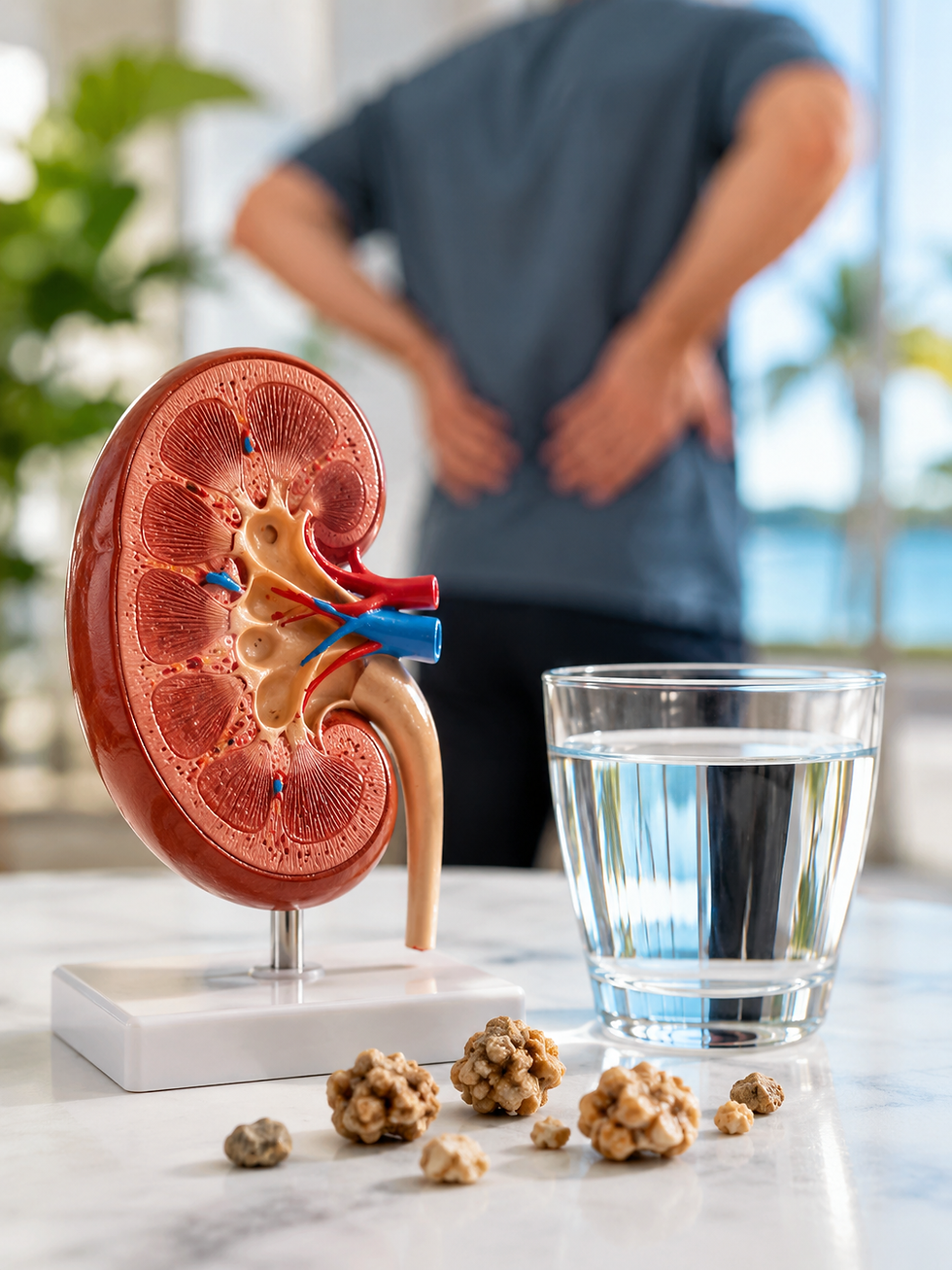
If you have had a kidney stone, you likely remember the pain.
It often starts fast. It might hit your side, back, belly, or groin. It might come with
nausea, sweating, blood in the urine, or a strong need to urinate.
Many people say, “I never want that again.” That is the right mindset.
A kidney stone is not just a painful event. It is also a sign that your body needs a
closer look. Your fluid intake, diet, urine chemistry, health history, medications, and
supplements all matter.
Why Kidney Stones Matter in Ocala, Florida
Ocala is beautiful, but it is hot. People in Marion County spend time outside. Many work outdoors. Others play sports, walk, garden, ride horses, go to job sites, or stay busy caring for family. Florida heat leads to more sweating. When you sweat and do not replace enough
fluid, your urine becomes more concentrated.
This means stone-forming minerals
have less water around them. That raises the chance that crystals join together and
form stones.
Hydration and kidney stones are closely linked. This does not mean water fixes
every stone problem. It means fluid intake is one of the most important starting
points for most people.

Why Kidney Stones Come Back
Kidney stones form when certain minerals and waste products build up in the urine.
These materials form crystals. Over time, crystals grow into stones.
Some stones pass on their own. Others get stuck and cause severe pain.
Stones come back for many reasons:
1. Not drinking enough fluid
2. Low fluid intake makes urine darker and stronger. This raises stone risk.
3. Sodium is part of salt. High sodium intake leads to more calcium in the urine. This is
one reason salty foods matter in kidney stone prevention.
Not all stones are the same:
Calcium oxalate stones are common, but they are not the only type.
Uric acid, calcium phosphate, cystine, and struvite stones also exist.
Cutting calcium too low:
Many people think they should avoid calcium after a calcium stone. For many
patients, that is not the right move. A very low-calcium diet increases risk for some
calcium oxalate stones. The safer approach is to review your labs, diet, and stone
type with your clinician.
Supplements or medications:
Some supplements and medications affect stone risk. High-dose vitamin C, calcium
supplements, dehydration-promoting products, and certain medicines need review.
Step 1: Drink Enough Fluid
For many adults with kidney stones, fluid is the foundation.
The goal is to keep urine light yellow most of the day. Dark yellow urine often means
you need more fluid. Water is the best starting choice.
In Ocala’s heat, you might need more fluid on days when you sweat more. This
includes yard work, exercise, long walks, outdoor labor, sports, or time in the sun.
Some people with kidney disease, heart failure, or fluid restrictions need a custom
fluid goal. That is why a medical review matters.
Step 2: Lower Sodium
Salt is a major issue in the American diet. High sodium intake raises the chance of stone formation in many people. It also affects blood pressure and heart health.
Common high-sodium foods include fast food, canned soups, deli meats, frozen
meals, chips, crackers, seasoning blends, restaurant meals, pickles, and processed
meats.
A simple rule is this: fresh food is often lower in sodium than packaged food.
When you shop, check the label. A food with 20% Daily Value or more for sodium is
high. A food with 5% Daily Value or less is low.
Step 3: Do Not Cut Calcium Too Low Without Guidance
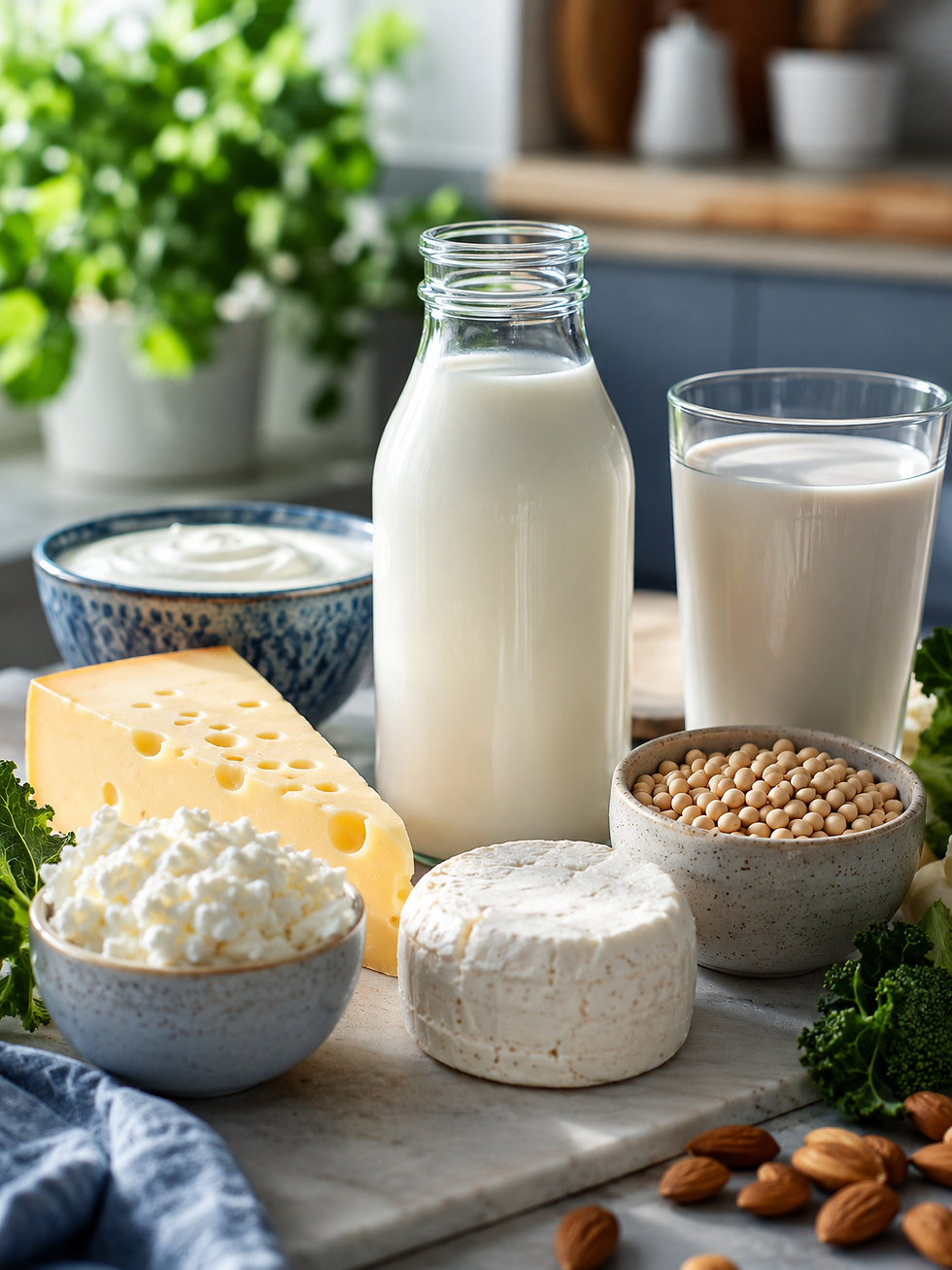
This is one of the most common mistakes. Calcium in food is not always the enemy. In the right amount, calcium binds with oxalate in the gut. That means less oxalate gets into the urine.
For many people with calcium oxalate stones, food-based calcium with meals is part
of prevention.
Good options often include milk, yogurt, kefir, cheese, calcium-fortified foods, or
other clinician-approved choices.
Do not start or stop calcium supplements without a medical review. Supplements act
differently than calcium from food for some patients.
Step 4: Understand Oxalate Without Fear
Oxalate is a natural substance found in many foods.
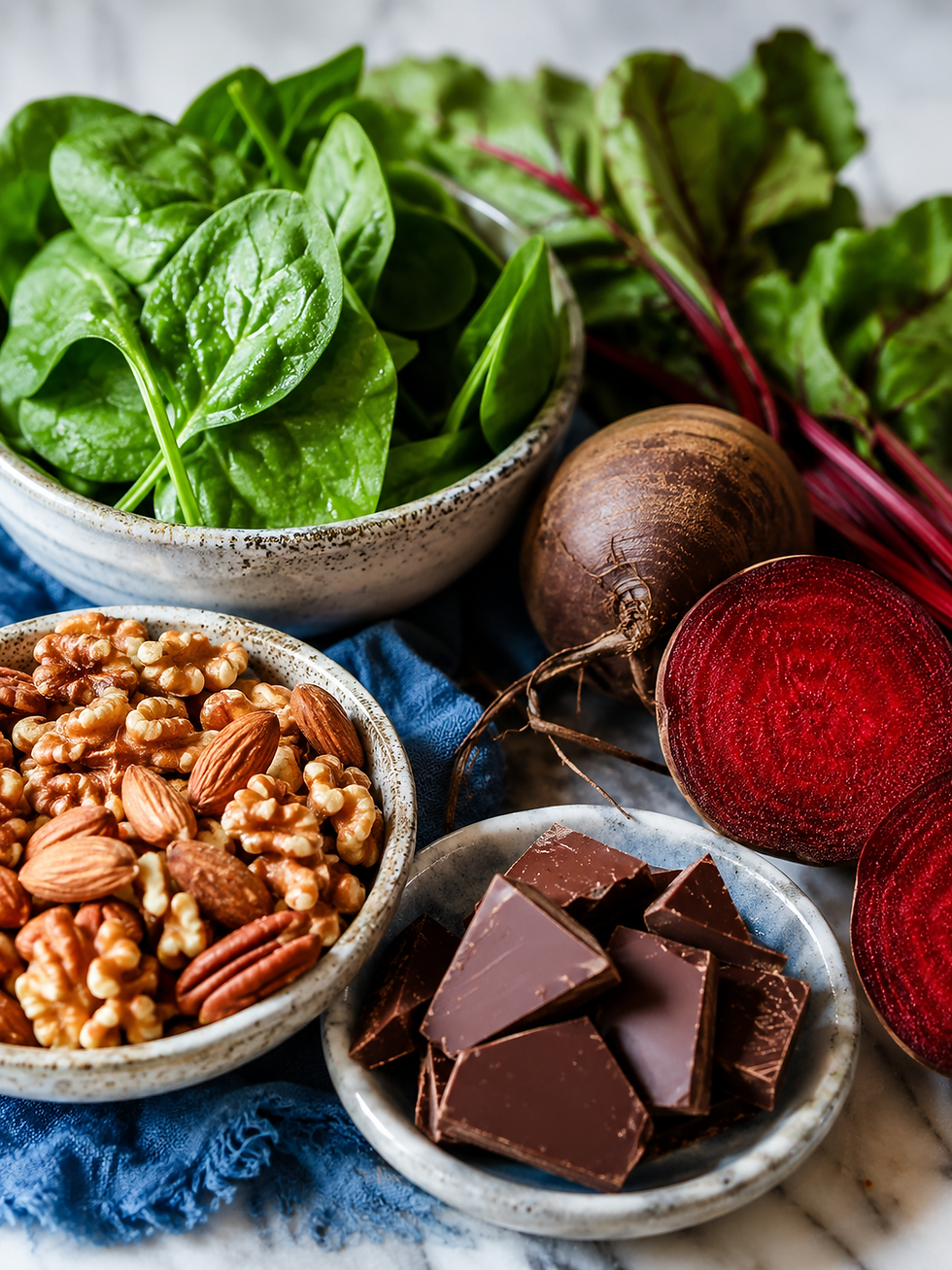
High-oxalate foods include spinach, rhubarb, almonds, beets, bran, and some nuts.
Some healthy foods contain oxalate, so the goal is not to fear all plants.
The right plan depends on your stone type and urine results.
Many patients do better with a balanced plan: Drink enough water, lower sodium,
eat calcium-rich food with meals if appropriate, limit very high-oxalate foods if
urine oxalate is high, and avoid extreme diets unless directed by a clinician.
Step 5: Watch Animal Protein
Animal protein includes beef, pork, chicken, fish, shellfish, eggs, and dairy.
Some people need to lower large portions of animal protein, especially with uric
acid stones or certain urine findings.
This does not mean everyone must avoid protein. Your body needs protein. The key
is the right amount and source.
Some patients benefit from adding more plant proteins, such as beans, lentils, and
peas. Your plan should match your labs, body size, activity, and medical history.
Step 6: Be Careful With Sugar and Soda
High-sugar drinks are not a good kidney stone prevention plan. Sugary tea, soda, sweet lemonade, energy drinks, and juice-heavy drinks add sugar quickly. Some sodas also contain ingredients that are less helpful for stone prevention.
Citrus drinks, such as lemon or lime water, contain citrate. Citrate is a natural
substance that helps reduce stone formation in some people. But citrus is not a cure.
It does not replace testing. It also might not fit every stone type. A simple option is water with lemon or lime, without heavy sugar.
Step 7: Know Your Stone Type
This is where prevention becomes personal. If you passed a stone, ask if it was sent for analysis. Stone analysis tells what the stone is made of.
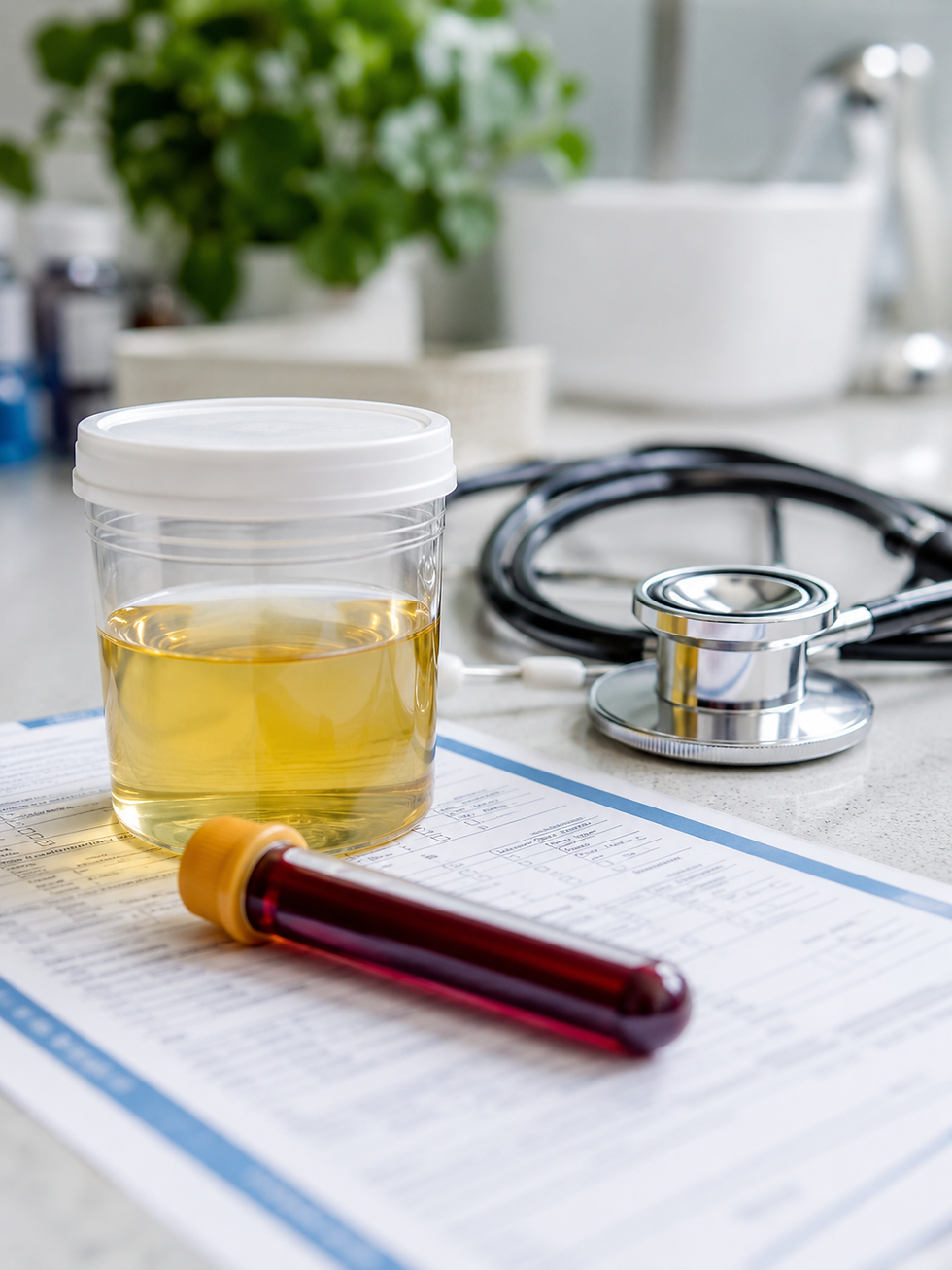
People with recurrent kidney stones often need more testing, such as blood work,
urinalysis, kidney function testing, calcium testing, uric acid testing, stone analysis,
24-hour urine testing when appropriate, and imaging when needed.
A 24-hour urine test checks what is in your urine over a full day. It helps measure
urine volume, calcium, oxalate, citrate, uric acid, sodium, and other factors.
This information helps your doctor build a more accurate kidney stone prevention
diet and treatment plan.
When to Seek Care Quickly
Do not wait if you have signs of a serious problem.
Seek urgent care or emergency care for: severe pain, fever or chills, repeated vomiting, blood in the urine, trouble urinating, pain with only one kidney, pregnancy, known kidney disease, weakness or confusion, or pain that does not improve. A kidney stone with infection is serious. Fever with stone pain needs urgent medical attention.
How Complete Medical Direct Care Helps in Ocala
Complete Medical Direct Care helps patients in Ocala, Marion County, and Central
Florida take a clear and practical approach. Your visit focuses on prevention, not just pain after the stone starts.
Dr. Grodonoff Nelson, DO takes time to explain what matters and what does not.
Patients leave with a plan they understand.
Complete Medical Direct Care is located at:
150 SE 17th St. Suite 504
Ocala, FL 34471
Phone: 352-789-7308
Website: www.cmdirectcare.com

Practical tips:
Drink water early in the day.
Keep a bottle near you at work.
Drink more when sweating.
Check your urine color.
Limit sugary drinks.
Do not use soda as your main fluid source.
Video Summary By Dr. Grodonoff Nelson, DO: Complete Medical Direct Care

Comments